When the Dream Job Disappears: What Games Industry Layoffs Take From Us—and What Our Community Can Give Back
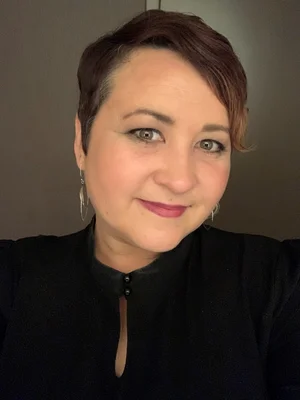
By Lyla Ross, CEO, Gamers Engaged
Here in the greater Seattle area, home to Gamers Engaged, layoffs across the games industry, from table top to consoles, have made the crisis especially visible. But for those of us who live and work within the games community, the impact is not abstract.
The people losing jobs aren’t strangers. They’re us. They’re our friends, our family members, our former colleagues, our mentors, our collaborators, and our neighbors. As a clinical social worker, I have spent much of my career thinking about how people understand themselves through their social environments.
Through my connection to the games community, I have also seen how deeply work can become tied to identity, relationships, and a sense of belonging. There is no single response to losing a job. Some people feel devastated. Others feel angry, frightened, relieved, or ready for a change. The experience is rarely simple. A person can feel grief over what they lost while also feeling relief, anger, fear, or even excitement about what comes next. A layoff in the games industry is rarely just the loss of a paycheck.
Studios, executives, managers, conventions, professional communities, nonprofits, and peers all have a role in helping people remain connected, supported, and valued.
The job was never “just a job”
For many people, a career in games begins long before their first official day in the industry.
It is often rooted in moments when play made an impact: a story that stayed with them, a community where they found belonging, or an experience that made them feel understood. Those moments can become part of why the work matters so deeply. They are creating experiences that offer others the same sense of connection and meaning that shaped them.
By the time someone is working in games, that work is often deeply personal. Making games requires technical skill, but it also requires creativity, imagination, judgment, collaboration, and investment in the experiences being created. For many people, the work becomes closely tied to how they understand who they are.
Losing a meaningful work role can disrupt a person's sense of identity, purpose, and belonging. Job loss requires people to reconsider who they were within a role and who they might become without it. That process can carry many of the characteristics of grief.
A layoff creates more than one loss
The relationship between unemployment and declining mental health is well documented. But the word “unemployment” describes a status, not the full experience.
A layoff may first mean the loss of financial security. Expenses continue while a person competes for work in an industry flooded with experienced applicants. The 2026 GDC State of the Game Industry survey found that more than one-quarter of respondents had been laid off during the previous two years, while half had seen layoffs at their current or most recent employer. But the disruption extends beyond finances. Work also provides structure, routine, and a rhythm to daily life. Without it, time can become organized around applications, rejection emails, unanswered messages, and the uncertainty of not knowing what comes next.
A layoff can also mean the loss of relationships. Coworkers are not only professional contacts. They are the people who shared the challenges, celebrated the wins, and understood the work in a way others may not. Even when people intend to stay in touch, the absence of shared work changes those relationships.
For people in games, a layoff can also disrupt a sense of identity and future. A person may still be a designer, artist, producer, or writer, but lose the team, tools, and environment through which they practiced their craft. They may also be grieving the projects they expected to ship, the roles they hoped to grow into, or the future they imagined building within the industry.
The “dream job” narrative can deepen the pain
We encourage people to pursue their passions. We celebrate the idea of finding a dream job and building a career around something they love.
There is real value in meaningful work. But there is also danger in treating a career as proof that someone successfully followed and achieved their dream.
When working in games represents the fulfillment of a lifelong ambition, leaving the industry can feel like abandoning that ambition. Taking a role elsewhere may feel less like an intelligent response to unstable conditions and more like personal failure.
A person can love making games and decide they need greater stability. They can leave professional game development and remain a creator, player, mentor, organizer, volunteer, or valued member of the games community.
Leaving an industry is not necessarily abandoning a dream. Sometimes it is refusing to let one dream consume everything else.
Networking is not the same as care
The industry often responds generously to layoffs. People circulate job listings, offer portfolio reviews, make introductions, and organize hiring events.
These efforts matter. But networking and care are not the same thing.
Networking asks people to present a confident, professional self. It requires energy, clarity, and the ability to describe accomplishments persuasively, qualities that may be especially difficult to access immediately after a job loss.
A more human model would make room for both professional support and ordinary community. People need places where they can remain connected to games without pitching themselves, explaining their employment status, or turning every interaction into a career opportunity.
Seattle Indies offers one local example. Its events create opportunities for people to remain connected to the community, whether they are looking for work or simply looking for a place to belong. Small design choices, like badge colors that indicate whether someone is open to work or hiring, lower barriers to connection without requiring someone to repeatedly announce that they have been laid off.
What meaningful support looks like
When someone loses a job, we often say, “Let me know how I can help.”
It is well intended, but it places the next step on the person who may have the least energy to organize assistance. Specific offers are often more useful:
“I can review your portfolio this week.”
“I know two people at studios that are hiring. Would an introduction help?”
“What kinds of roles do you actually want me to send?”
Support should also last longer than the first few days. Layoff announcements often generate an immediate wave of attention. Then the industry moves on while the individual’s job search continues for months. Set a reminder to reconnect. Invite the person to something unrelated to work. Ask what support is useful now rather than assuming their needs have remained the same.
The message underneath these actions is powerful: You do not have to manage my willingness to care about you.
What the industry can do differently
No practice can make a layoff painless, but the industry can reduce unnecessary harm.
Studios can support people through transitions by providing meaningful severance, clear communication, career assistance, portfolio access, and references. How a company handles a layoff shapes not only the experience of those leaving, but also the trust of those who remain.
Companies should also support remaining employees by reassessing workloads, providing managers with accurate information, and continuing communication after the initial announcement.
Beyond individual companies, conventions, professional organizations, and community groups can help people stay connected to the industry beyond employment. Reduced-cost access, peer gatherings, mentorship, creative opportunities, and alumni communities can create spaces where people continue to participate, contribute, and belong between jobs or after leaving the industry.
What our community can give back
The games community cannot prevent every business decision, project cancellation, studio closure, or layoff.
But we can decide whether people experience those losses in isolation.
We can communicate honestly, offer practical help, create spaces where people can gather without an agenda, support the employees who remain, preserve relationships beyond employment, and stop treating a career change as a personal failure.
And we can decide that losing a job should not also mean losing a community.
As a clinical social worker, I believe people are shaped by their relationships and the systems around them. As someone who loves the games community, I believe this industry already contains the creativity, generosity, and collaborative spirit needed to build something better.
We know how to create worlds where people encounter challenges, find allies, develop new capacities, and discover that their contributions matter. We should apply that same imagination to the people who make those worlds possible.
A person’s access to creativity, dignity, and community should not disappear with their job title.
Belonging should last longer than a studio badge.